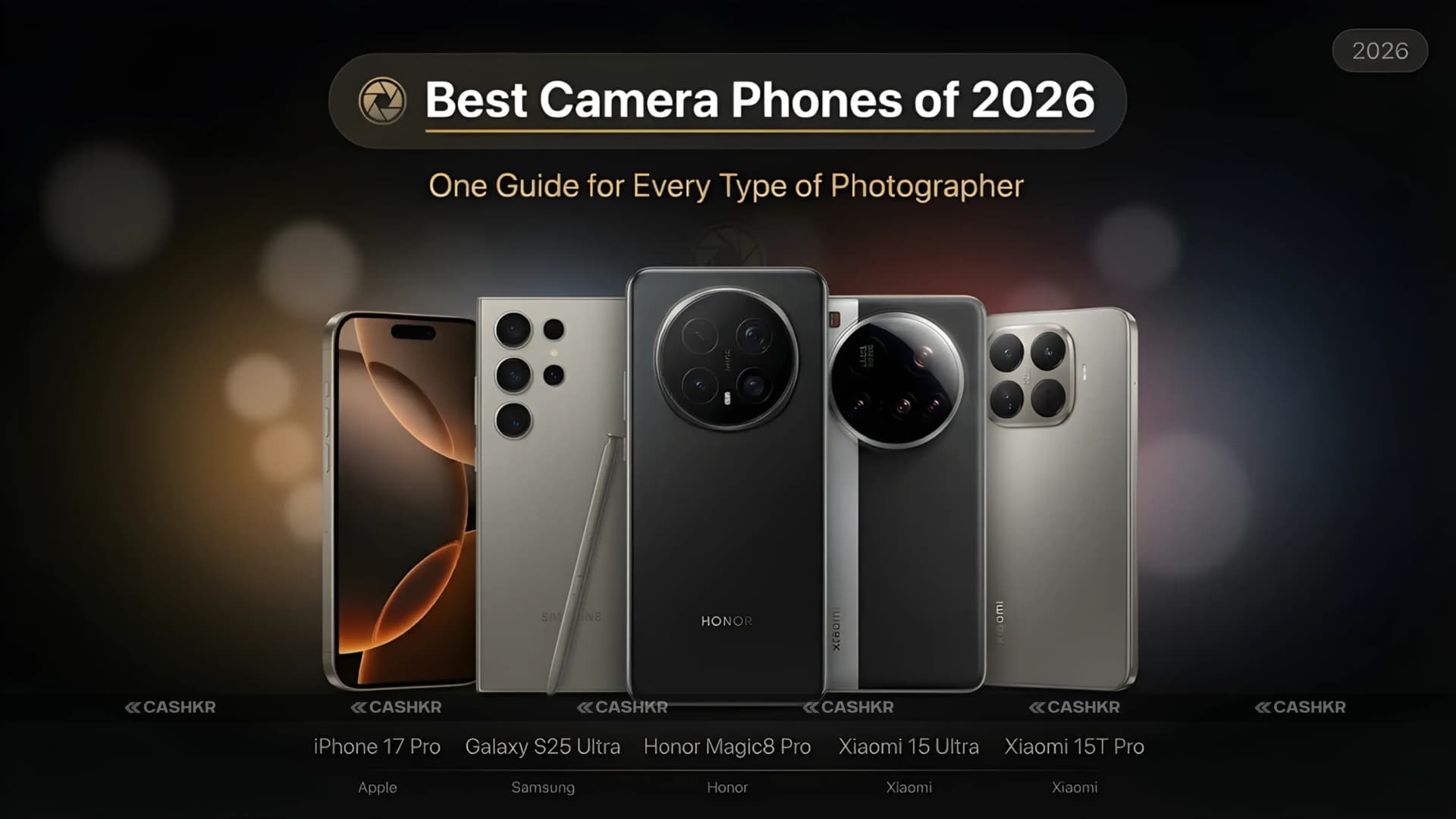
Best Camera Phones of 2026: One Guide for Every Type of Photographer
The gap between smartphone cameras and dedicated cameras has never been smaller.
In 2026, the best camera phones shoot 4K video in log format, capture 1-inch sensor images with natural depth of field, produce AI-processed portraits rivaling studio lighting, and zoom to 200mm optical equivalent without visible quality drop. The challenge is no longer finding a phone with a good camera but finding the right camera phone for how you actually shoot. A travel photographer needing versatile zoom is not the same buyer as a content creator who lives in front camera mode. An enthusiast wanting manual controls and raw files has different needs from a casual user who wants great photos on auto. This guide breaks down the best camera phones of 2026 by use case so you can match the phone to your actual shooting habits rather than chasing a single overall ranking.
Yaskar Jung Shahis a technology enthusiast with over 5 years of experience covering AI, machine learning, and has contributed to major tech publications worldwide. He holds a Master's Degree in Computer Science from leading institutions.
Best Camera Phones 2026: iPhone, Samsung, Xiaomi Ranked
Quick picks: Best overall: Apple iPhone 17 Pro | Best Android camera: Samsung Galaxy S25 Ultra | Best for photography enthusiasts: Xiaomi 15 Ultra | Best AI camera: Google Pixel 10 Pro XL | Best mid-range: Samsung Galaxy A56 | Best value flagship camera: Xiaomi 15T Pro
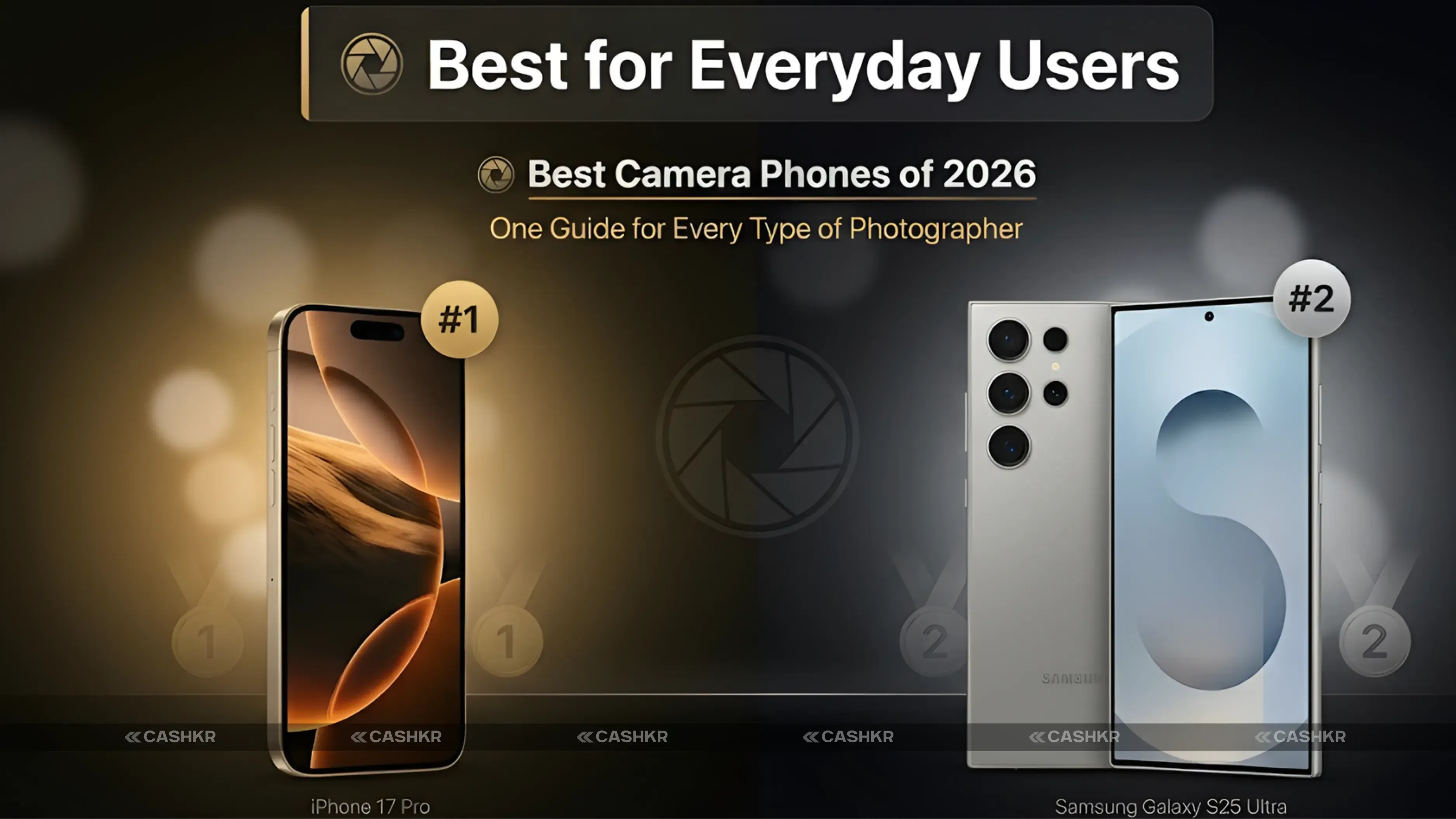
Best Camera Phone for Everyday Users
Most people want great photos without thinking about settings. Point, shoot, share. These phones deliver that reliably.
Consistent colour accuracy in all lighting, best video in any smartphone, ProRes for creators. The camera that just works every single time in every situation.
Excellent HDR and dynamic range, strong AI scene processing, and versatile zoom range. The best alternative to iPhone for Android buyers who want flagship camera results without compromise.
Balanced camera performance across all scenarios. Good daylight output, reliable portraits, competitive pricing. A solid option when the top two are outside the budget.
For everyday users, colour accuracy and consistency matter more than any single specification. The iPhone 17 Pro’s computational photography pipeline produces images that look natural and accurate to how a scene appeared, which is why social media users, parents photographing children, and frequent sharers keep returning to it as the default recommendation.
Everyday camera tip: Turn off any AI scene enhancement filter if your photos look oversaturated or processed. Stock photo mode with clean processing beats over-enhanced auto mode for photos you want to keep for years, not just post today. Photography Enthusiasts, if you understand exposure triangles, shoot in RAW format, use manual focus, and care about sensor size, this section is for you.
1-inch Sony sensor delivers DSLR-like depth-of-field control and light-gathering that no smaller sensor can replicate. Professional photography tools in the stock camera app. The closest any smartphone gets to a dedicated camera experience.
#2 Xiaomi 17 Ultra | Best for experimental photography
Upgraded sensor over 15 Ultra with unique optical zoom characteristics. Some trade-offs in the lens setup, but it delivers results that reward photographers who understand how to work with a camera’s specific characteristics.
ZEISS optics with strong hardware and software integration. Excellent low-light performance and portrait rendering. A strong choice for enthusiasts who want top-tier results without the learning curve of Xiaomi’s pro tools.
The 1-inch sensor in the Xiaomi 15 Ultra is the specification that matters most for enthusiast photographers. Larger sensors gather more light per pixel, producing better dynamic range, more natural background blur at the same field of view, and cleaner low-light images. This is physics, not software, and no amount of AI processing on a smaller sensor fully closes the gap.
RAW shooting tip: All three enthusiast phones support RAW capture. Shoot RAW plus JPEG to have the processed image for immediate sharing and the RAW file for editing later. RAW files from the Xiaomi 15 Ultra’s 1-inch sensor respond beautifully to editing in Lightroom Mobile.
Best Camera Phone for Zoom Photography
Sports, wildlife, concerts, architectural details, travel photography. If your subjects are frequently at a distance, optical zoom capability is the most important camera specification.
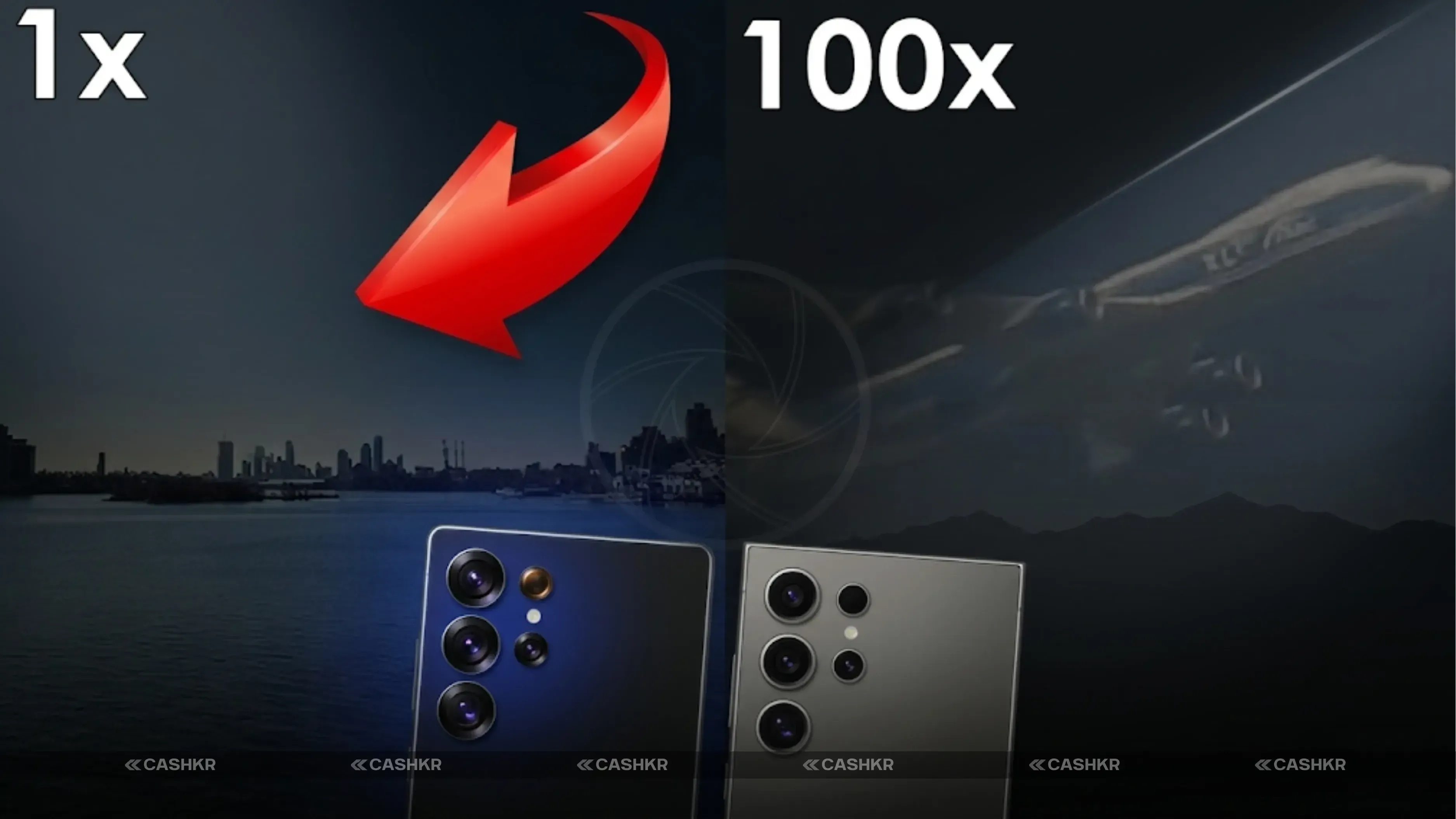
#1 Samsung Galaxy S25 Ultra | Best zoom camera phone 2026
Best-in-class zoom performance with advanced AI processing for consistent long-range shots. The combination of multiple telephoto lenses, periscope optics, and AI image stabilization makes distant subjects look as clean as close-up shots on most other phones.
#2 Xiaomi 17 Ultra | Best for unique zoom characteristics
Optical zoom that rewards photographers who understand how to use it. Different focal-length rendering compared to Samsung, but capable of results that Samsung cannot achieve in specific scenarios.
Zoom quality depends on three factors that specification sheets only partially capture: the optical quality of the telephoto lens, the image stabilization system that keeps the subject in frame at high magnification, and the AI processing that handles noise at zoom distances. Samsung’s Galaxy S25 Ultra leads on all three, which is why sports and event photographers consistently rate it as the zoom leader.
Best Camera Phone for Content Creators
Content creators have different requirements from photographers. Video quality, audio capture, front camera, stabilization, and workflow tools all matter alongside still image quality.
ProRes video recording, cinematic mode, Log format for color grading, and excellent spatial audio capture. The complete content creation package that professional video creators and YouTubers trust for high-production work.
#2 Apple iPhone 17 Pro | Best for everyday creators
Everything the Pro Max offers in a smaller body. For creators who prioritize portability over screen size, the Pro delivers identical camera capability at a more manageable size and weight.
For video-focused content creation, the iPhone 17 Pro series has no direct competition. ProRes records at lower compression, preserving more detail for editing. Log format captures a flat, wide dynamic range image that can be color graded to any look in post. Action mode provides gimbal-smooth stabilization for walking shots. These features define professional mobile video production.
Creator camera tip: If you edit your video footage before posting, shoot in Log format and colour grade in DaVinci Resolve or CapCut. The extra editing step takes ten minutes and the difference in final video quality is immediately visible compared to posting direct-from-camera footage.
Best Mid-Range Camera Phones
Flagship camera performance requires flagship pricing. These phones deliver the best camera results at mid-range prices without forcing compromise on other specifications.
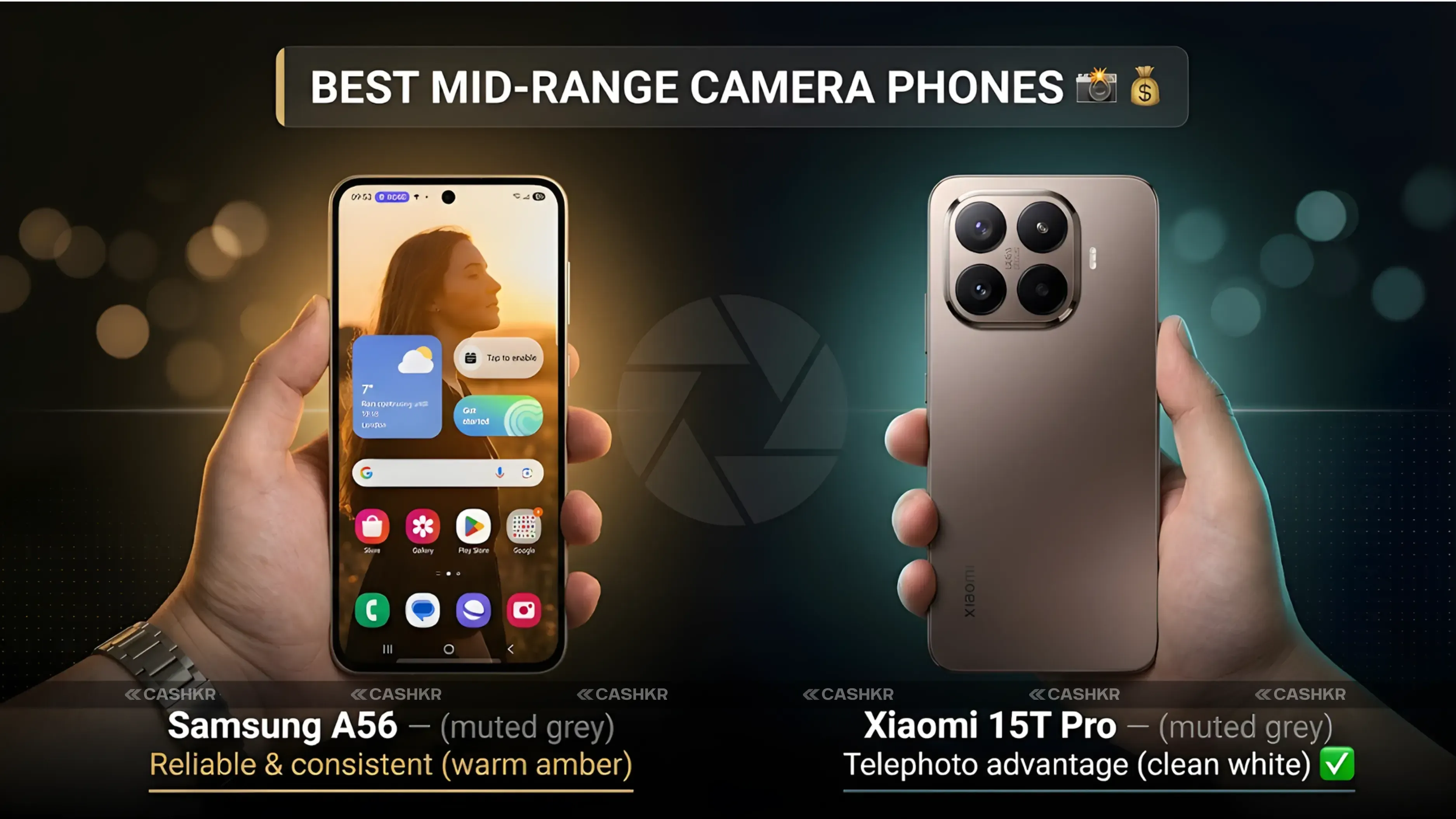
#1 Samsung Galaxy A56 | Best mid-range camera
Reliable camera performance with Samsung’s image processing expertise available at a genuinely affordable price. Good main camera output, balanced HDR, and solid video recording for social media use.
#2 Xiaomi 15T Pro | Best budget flagship camera
Flagship-adjacent camera features, including a telephoto lens at a price significantly below Xiaomi’s Ultra models. The telephoto advantage over most phones in this price range makes it the choice for buyers who want zoom capability without flagship pricing.
#3 Xiaomi 14T | Strong mid-range alternative
Capable camera system at a price that undercuts most competition. Good daylight output and solid video quality for the price.
#4 Honor 400 | Value camera option
Competitive camera hardware at an aggressive price. Good for buyers whose primary use is social media photography in good lighting conditions.
The key differentiator between mid-range camera phones in 2026 is telephoto capability. Most phones at this price include a main camera and ultrawide but skip the telephoto. The Xiaomi 15T Pro’s telephoto lens at mid-range pricing makes it stand out for buyers who zoom frequently.
Quick Buyer Guide: Which Camera Phone Is Right for You
Three questions narrow down the choice faster than any specification comparison.
What do you shoot most?
If your subjects are people in natural light, the iPhone and Pixel lead. If you shoot distant subjects or zoom frequently, the Samsung Ultra is the choice. If you want maximum control and the best image quality at any price, Xiaomi Ultra is the answer.
How much effort do you want to put in?
Auto mode users get the best results from Pixel and iPhone. Manual mode users and RAW shooters get the best results from Xiaomi Ultra. Those in between are well served by the Samsung Galaxy S25 Ultra.
What is your budget?
Premium flagships (above Rs. 70,000) are well covered by the iPhone, Samsung Galaxy S25 Ultra, and Xiaomi 15 Ultra. Mid-range buyers get the best camera value from the Samsung Galaxy A56 and Xiaomi 15T Pro.
Final Verdict
The best camera phone of 2026 is the one that matches how you actually shoot, not the one with the highest specifications. Apple iPhone 17 Pro is the safest choice for most buyers. Consistent colors, best video, reliable performance across all conditions, and a workflow requiring no learning curve. It is the camera phone that disappoints the fewest people across the widest range of shooting scenarios. Samsung Galaxy S25 Ultra is the best choice for Android users who want the most complete camera system, particularly if zoom photography is part of their regular use. The combination of multiple telephoto lenses, top-tier AI processing, and Samsung’s established camera heritage makes it the most versatile Android camera phone available.
Xiaomi 15 Ultra is the right pick for photography enthusiasts who want to close the gap between smartphone and dedicated camera as much as physics currently allows. The 1-inch sensor delivers results that no smaller sensor can replicate and rewards users who invest time in learning to use it.
Samsung Galaxy A56 and Xiaomi 15T Pro serve mid-range buyers who want meaningful camera quality without flagship pricing. The 15T Pro’s telephoto advantage makes it the pick for buyers who zoom, while the Galaxy A56’s Samsung processing makes it the more consistent all-rounder.
The bottom line: There is no single best camera phone. There is the best camera phone for you based on what you shoot, how you shoot, and what you're willing to pay. Use this guide to match your habits to the right pick, and you will be happy with the result.
FAQs
1. Which is the best camera phone in India in 2026?
For most users, the Apple iPhone 17 Pro will be the best overall camera phone in India in 2026. For Android buyers, the Samsung Galaxy S25 Ultra is the best camera phone. For photography enthusiasts, the Xiaomi 15 Ultra leads in image quality.
2. Is the Xiaomi 15 Ultra better than the iPhone 17 Pro for photography?
For photography enthusiasts who use manual controls and RAW editing, the Xiaomi 15 Ultra’s 1-inch sensor produces more camera-like results. For everyday photography and video, the iPhone 17 Pro is more reliable for most users.
3. Which phone has the best zoom camera in 2026?
The Samsung Galaxy S25 Ultra has the best zoom camera in 2026. Its combination of multiple telephoto lenses and advanced AI stabilization produces the most consistent results for distant subjects.
4. What is the best camera phone under Rs. 40,000 in 2026?
The Samsung Galaxy A56 is the best camera phone under Rs. 40,000 in 2026 for reliable, consistent photography. Xiaomi 15T Pro is the better choice if telephoto zoom is important to you.
5. Is the Google Pixel 10 Pro XL the best AI camera phone?
Yes. The Google Pixel 10 Pro XL has industry-leading AI photography that processes images more intelligently than any competing phone. It consistently produces better results in challenging conditions than phones with higher-specification hardware.
6. Which is the best phone camera for YouTube and content creation?
The Apple iPhone 17 Pro Max is the best phone camera for YouTube and content creation. ProRes video, Log format recording, cinematic mode, and excellent audio capture make it the standard for professional mobile video production.
7. Do camera megapixels matter when choosing a phone?
Megapixel count is less important than sensor size, aperture, and AI processing. A 50MP phone with a larger sensor and better processing produces better photos than a 200MP phone with a smaller sensor in most real-world conditions.
8. Which phone has the best portrait camera in 2026?
Both the Apple iPhone 17 Pro and the Google Pixel 10 Pro XL produce excellent portrait photos. iPhone leads in color accuracy and natural skin tones. Pixel leads on AI-driven background separation and portrait processing in challenging lighting conditions.
9. Is the Vivo X300 Pro a good camera phone?
Yes. The Vivo X300 Pro delivers balanced flagship camera performance with ZEISS optics, strong low-light photography, and excellent portrait results. It is a strong alternative to Xiaomi and Samsung at a competitive price.
20. Should I buy a mid-range or a flagship camera phone?
Buy a flagship camera phone if zoom photography, low-light performance, and professional video recording are important to your daily use. Buy a mid-range camera phone if your photography is primarily daylight social media shots, where the quality gap between mid-range and flagship is much smaller.
If you want to sell your old devices, then click here.