HyperOS 4 Launch August 2026: Xiaomi’s Big Update
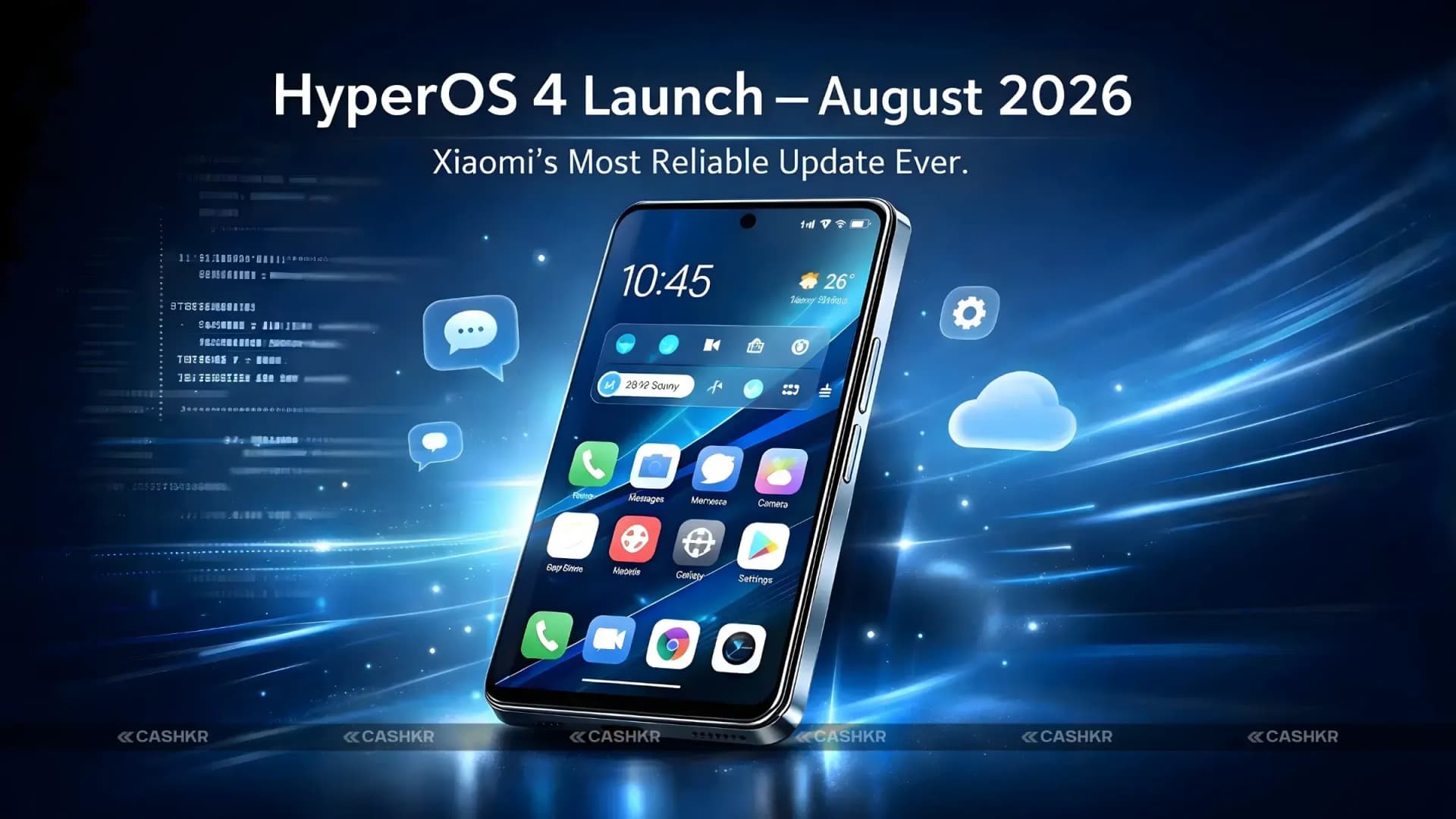
HyperOS 4 is launching in August 2026 with major improvements in stability.

Yaskar Jung Shah
Senior Tech Writer
Key Takeaways
HyperOS 4 is launching in August 2026 with major improvements in stability.
HyperOS 4 Launch in August 2026: Xiaomi’s Most Reliable Update
Xiaomi is preparing for a major upgrade with HyperOS 4, set to launch in August 2026. With this update, Xiaomi plans to completely overhaul its operating system by removing all legacy MIUI code, making HyperOS 4 the first “Zero-Legacy” version. This fresh version promises a faster, more stable experience with improved performance, speed, and security.
Let’s dive into what HyperOS 4 brings to the table and how it will change the Xiaomi user experience moving forward.
HyperOS 4: A Clean Break from MIUI Legacy
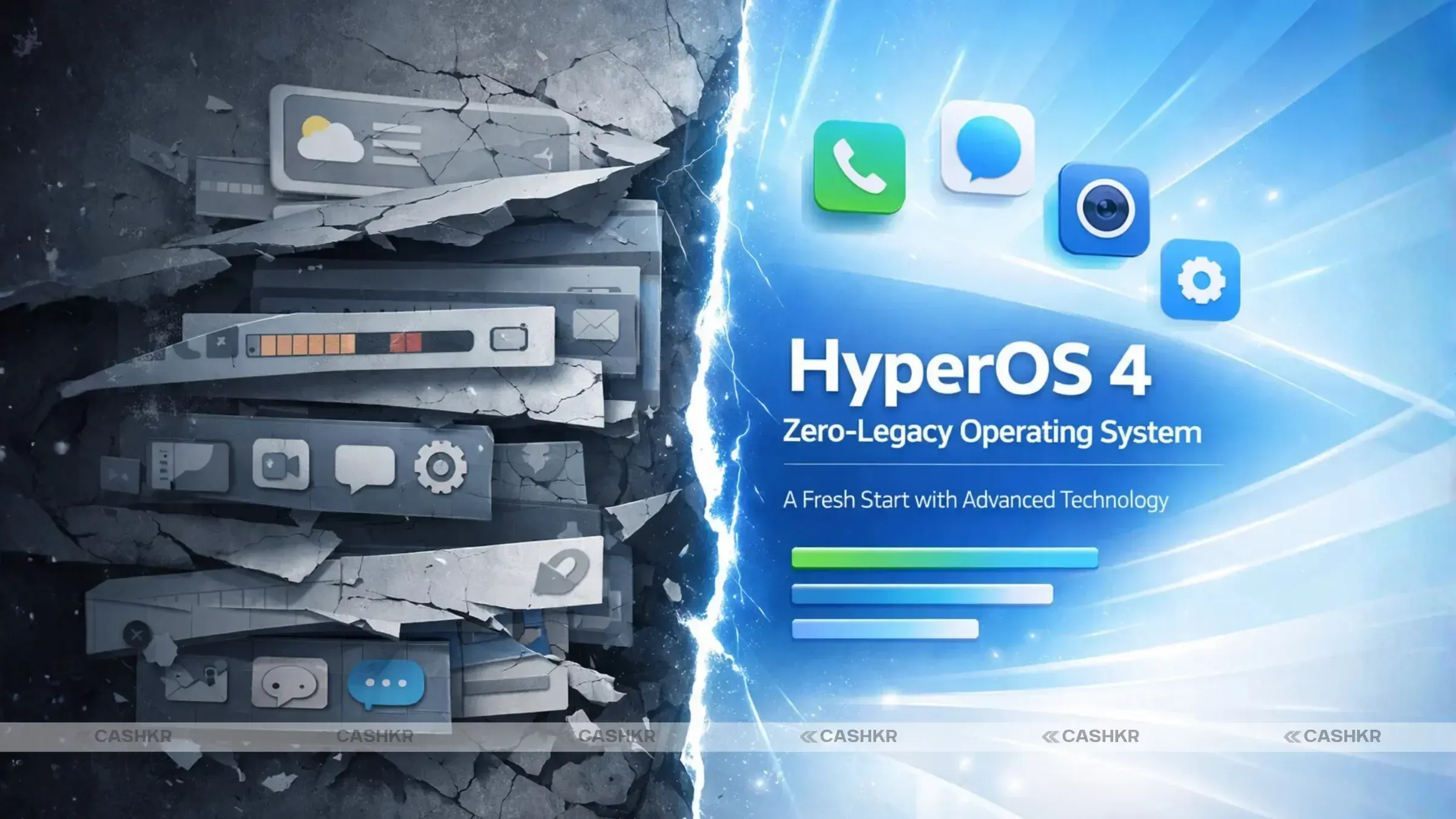
One of the most significant changes coming with HyperOS 4 is the complete removal of the MIUI code that Xiaomi has used for over a decade. This is the first time Xiaomi is transitioning to a fully “Zero-Legacy” operating system, meaning no backward compatibility with previous MIUI systems.
Key Features of HyperOS 4:
- No MIUI Backward Compatibility: By removing the MIUI backward-compatibility layer, Xiaomi eliminates old system bloat, enabling a cleaner, more optimized experience.
- Full Use of HyperOS SDK: From now on, all modules in HyperOS 4 will use the HyperOS SDK, ensuring consistency and better performance.
- Faster, More Stable Updates: Removing outdated dependencies and old code improves update speeds and ensures stability across devices.
With these changes, HyperOS 4 promises a smoother, faster, and more stable system that eliminates the baggage of past updates.
Also Read: Xiaomi HyperOS Update 3.1 : New Features, Performance & More
Flutter and Rust: The New Foundations for Apps in HyperOS 4
Xiaomi has chosen to rewrite core apps using Flutter and Rust, two modern programming languages, to improve performance and security.
Why Flutter and Rust?
- Flutter allows for smoother user interfaces and standard UI rendering, offering a polished, consistent experience across devices.
- Rust enhances the speed, security, and stability of the underlying system, reducing bugs and improving overall reliability.
By adopting these advanced technologies, HyperOS 4 ensures that all of Xiaomi’s apps run faster and are more secure. The modular apps will now update independently, reducing the need for system-wide updates and allowing for quicker fixes and improvements.
The End of Backward Compatibility: What Does It Mean for Older Devices?
One key takeaway from HyperOS 4 is the end of backward compatibility with older versions of HyperOS and MIUI. This means that Xiaomi’s legacy phones (especially those using older MIUI versions) will no longer receive access to the latest app versions or updates designed for HyperOS 4.
However, this is a necessary step for Xiaomi to move forward and build a more robust and secure operating system. While flagship phones will see minor improvements, budget phones will benefit the most from the performance boosts, making them feel faster and more responsive.
What to Expect from HyperOS 4: Performance and Stability
With the introduction of HyperOS 4, Xiaomi is focusing on providing the most stable experience in the company’s history. This is achieved by addressing old code issues that caused slowdowns and bugs. As a result, Xiaomi users can expect the following:
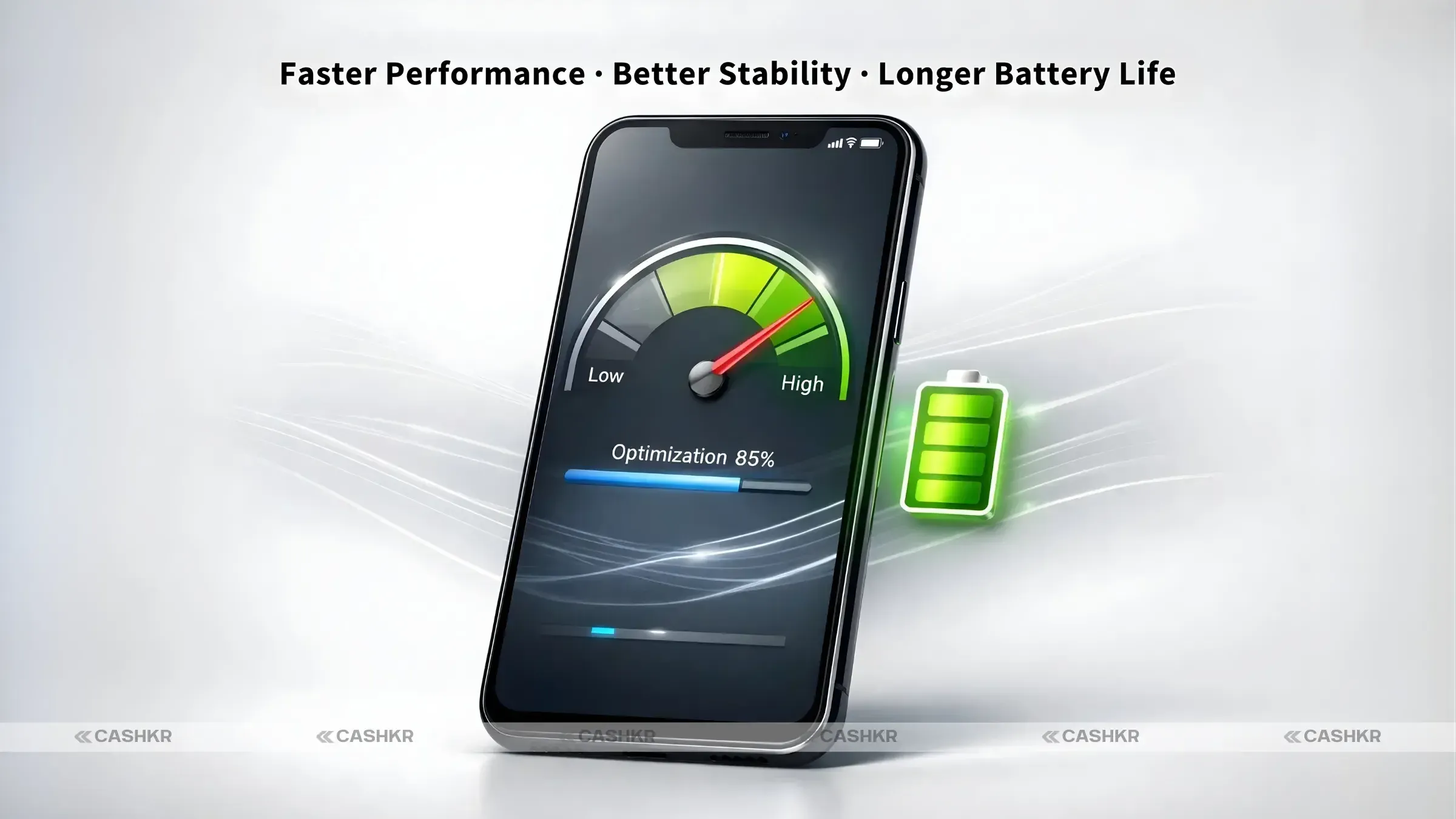
- Faster System Performance: With no legacy code weighing it down, HyperOS 4 will run more smoothly, especially on budget devices.
- Better Stability: By focusing on Flutter and Rust, HyperOS 4 will deliver greater stability, ensuring apps load faster and the system is more responsive.
- Improved Battery Efficiency: The optimized system performance, combined with faster app rendering, will also improve battery life.
Xiaomi’s move towards Flutter and Rust ensures that HyperOS 4 is a future-ready operating system that can support the growing demands of apps and services in 2026.
What Devices Will Get HyperOS 4?
While HyperOS 4 promises great benefits, the update will not be available for all Xiaomi devices. Older devices running MIUI 1 to HyperOS 3.1 won’t be able to receive this update due to architectural changes. The Xiaomi 17 series, Redmi K90, and future flagship models will be the first to get the update.
However, for older Xiaomi users, the company has ensured that HyperOS 3.1 remains functional and that security updates will continue for some time.
When Will HyperOS 4 Be Available?
HyperOS 4 is expected to roll out in August 2026. Xiaomi is likely to roll out the update first to users in select regions, starting with the Xiaomi 17 series and the Redmi K90 series. After the initial rollout, the update will gradually roll out to other supported devices.
To stay updated, regularly check the Settings > Software Updates section on your Xiaomi device.
Conclusion
The launch of HyperOS 4 marks a significant shift in Xiaomi's software development, with the complete removal of legacy code and a focus on modern technologies such as Flutter and Rust. By improving performance, security, and stability, HyperOS 4 sets the stage for Xiaomi devices to become even more competitive in the global smartphone market.
For Xiaomi 17 series and Redmi K90 series owners, this update promises a faster, more stable experience. And with HyperOS 4, Xiaomi is showing its commitment to improving user experience in the long term.
If you’re eagerly awaiting the HyperOS 4 update, keep an eye on the rollout schedule and be ready to enjoy the best software Xiaomi has to offer!
FAQs
1. When is the HyperOS 4 Launch Date?
The specific launch date for HyperOS 4 is still under wraps, but expectations are high that Xiaomi will announce it sometime around August 2026. This major update launch is eagerly awaited by Xiaomi users hoping for a stable HyperOS, and it may roll out after the announcement.
2. Which Devices Will Get HyperOS 4?
Here are some of the devices expected to be among the first to receive HyperOS 4. This includes:
- Xiaomi 17 series
- Redmi K90 series
- Newer flagship models
3. What are the Key Features of HyperOS 4?
The major HyperOS update, HyperOS 4, aims to include a 'zero-legacy' architecture, leading to enhanced performance. The rollout of HyperOS 4 includes an updated system launcher, refined UI, and updated core apps. Improved security features and efficient power management should boost the mobile phone's performance.
4. Will Older POCO Devices Get the Update?
The fate of older POCO devices concerning the HyperOS update remains uncertain, as Xiaomi may prioritize newer models for HyperOS 4. Factors such as hardware capabilities and system architecture may determine whether devices like the POCO F4 can support HyperOS.
5. How Does HyperOS 4 Improve Security?
HyperOS 4 is likely to include enhanced security protocols and updated Android security patches to protect against new and ongoing threats. This major update should improve system-level security, adding layers to safeguard Xiaomi's user data and privacy across all supported devices in the rollout.
6. Can Users Expect a Performance Boost?
One of the main goals of HyperOS 4 is to deliver a significant performance boost over its predecessors, HyperOS 3.1 and previous MIUI versions. The "zero-legacy" approach should help eliminate bloat and optimize system processes, resulting in faster app load times. Users expect improved multitasking capabilities on Xiaomi's operating system.
7. Is HyperOS 4 Based on Android 17?
There is speculation whether HyperOS 4 will be based on Android 17 or Android 16. Xiaomi may incorporate new features and APIs introduced in the recent Android version, but this major update might also be based on Android 16.
8. What Should Users Know Before Upgrading?
Before upgrading to HyperOS 4, Xiaomi users should back up their data to avoid potential data loss during the update. Also, ensure your devices meet the hardware requirements. Check for any compatibility issues with essential apps to ensure a smooth transition to HyperOS 4's new features.
9. Will HyperOS 4 Fix Existing Bugs?
The goal of HyperOS 4 is to address and fix bugs in older MIUI and HyperOS 3.1 versions, resulting in a more stable operating system. Xiaomi's rollout of HyperOS 4 may include bug fixes, performance enhancements, and an improved user interface to deliver a smoother mobile experience.
10. What's Next for Xiaomi and POCO?
Following the HyperOS 4 release, Xiaomi and POCO will continue focusing on enhancing the operating system. Further updates and optimizations based on user feedback and technological advancements are expected. Devices like the POCO F6 and Xiaomi 14 Ultra will continue to be at the forefront of innovation and performance.
If you want to sell your old devices, then click here.
Yaskar Jung Shah
Senior Tech Writer
Yaskar Jung Shahis a technology enthusiast with over 5 years of experience covering AI, machine learning, and has contributed to major tech publications worldwide. He holds a Master's Degree in Computer Science from leading institutions.